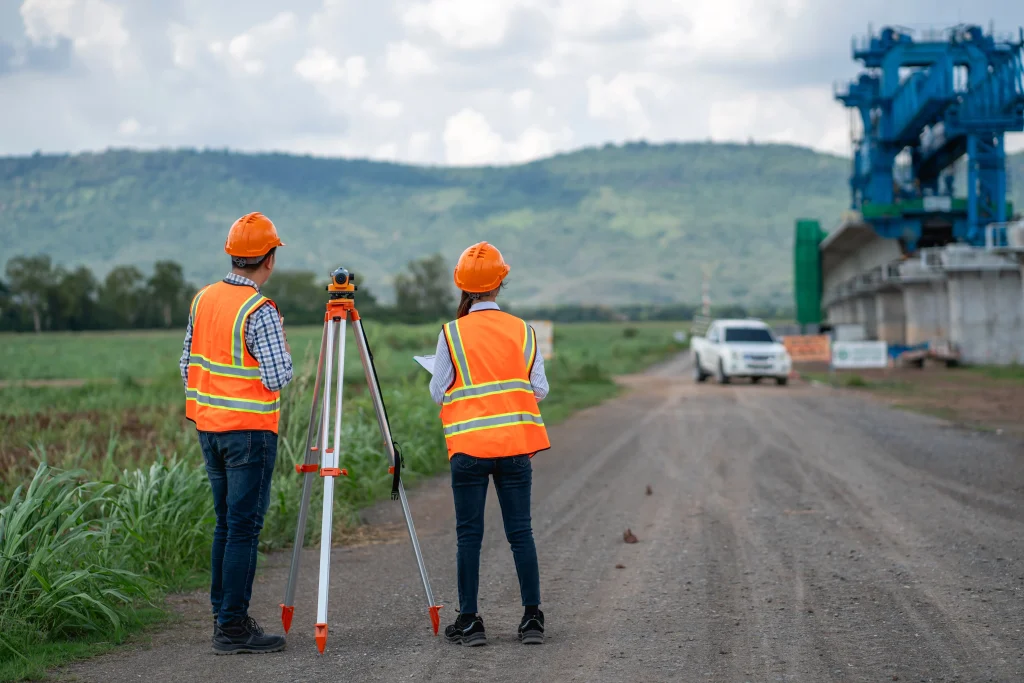

- What to Expect During a Land Survey
- Is It Worth Getting a Survey Done on a House?
- Is It Normal for Buyers to Pay for Surveys?
- Why Would a Buyer Ask for a Survey?
- What Are Red Flags on a Land Survey?
- Is Being Paid for Surveys Real?
- Are Land Surveys Actually Worth the Cost?
- What Are the Disadvantages of a Land Survey?
- What Are the Limitations of a Land Survey?
- What Makes a Land Survey Unreliable?
- How to Choose the Right Land Surveyor
- When Should You Get a Land Survey?
- Final Thoughts, Is a Land Survey Worth It?
What Happens If You Do Not Get a Land Survey?
Skipping a survey can feel like saving money, but it often shifts risk onto you.
Here is what commonly goes wrong when people do not confirm boundaries and constraints early.
- Boundary disputes can start when fences, driveways, or landscaping sit on the wrong side of a legal boundary.
- Building in the wrong location can trigger redesign, demolition, or legal action if setbacks or boundaries are breached.
- Council approval issues can arise if plans do not match actual site conditions or existing restrictions on the title.
- Legal and financial consequences can include delays, variation costs, disputes with neighbours, or problems at resale time.
If you are asking “Do I need a land survey?”, the safest answer is usually yes when you are buying, building, renovating, or changing anything near a boundary line.
What to Expect During a Land Survey
The land survey process is usually straightforward, but it helps to know what happens so you can plan access and timelines.
For site levels, surface features, and a council‑ready plan, see our Detail and Contour Surveys in Sydney.
Site Inspection Process
A surveyor typically visits the site to locate and measure existing features and evidence of boundaries, such as pegs, fences, walls, and structures. They may also compare what is physically on the ground with information from title documents and prior survey records.Equipment Used by Surveyors
Depending on the job, surveyors may use:
- Total stations and GNSS equipment to measure positions accurately.
- Laser levels and digital measuring tools for detail work.
- Drones or photogrammetry in larger or complex sites where appropriate.
Timeframes and Deliverables
Timeframes depend on access, complexity, and how quickly historical records can be reviewed.
Deliverables typically include a survey plan showing boundaries and site features, and sometimes additional reporting depending on the purpose of the survey.
Survey Plans and Reports Explained
A survey plan usually shows key site information such as boundaries, measured improvements, relevant setbacks, and any visible encroachments.
If you are comparing quotes, make sure you understand what the plan will include and what it is intended to support, such as design, approvals, or legal clarity.
Is It Worth Getting a Survey Done on a House?
For a house, a survey is often worthwhile because residential properties commonly have fences, retaining walls, carports, and extensions that sit close to boundaries.Buying an Existing Home
A survey helps confirm that what you think you are buying matches what exists on the ground, especially around fences, garages, and driveways.
It can also flag visible encroachments early, so you can make an informed decision before contracts go unconditional.
Renovations and Extensions
If you are extending near a side boundary or changing the building footprint, you want accurate boundary information to support design and compliance.Fencing and Retaining Walls
Even “simple” boundary jobs can go wrong without clarity on the legal line, especially where old fences were installed by eye or shifted over time.Peace of Mind for Owners
Owners often get surveys to remove uncertainty, resolve neighbour questions calmly, and reduce surprises when selling later.Is It Normal for Buyers to Pay for Surveys?
Yes. In many transactions, buyers pay for surveys because they benefit most from confirming the risk before settlement. If you are purchasing, our Identification Surveys for buying or selling confirm boundaries, easements, and encroachments before you commit.Who Typically Pays for a Land Survey?
Buyers often pay when they want confidence about boundaries, access, or future building plans. Sellers may pay when preparing for sale, resolving known issues, or supporting redevelopment interest.Buyer vs Seller Responsibilities
There is no universal rule.
In practice, the party who needs certainty for a decision usually pays, unless negotiated otherwise in the contract.
Survey Costs During Property Purchase
Survey costs vary depending on property type, access, vegetation, and the exact survey required.
If you are budgeting, treat it as due diligence, similar to building and pest inspections, but focused on land and boundaries.
Why Would a Buyer Ask for a Survey?
A buyer usually asks for a land survey to reduce purchase risk and avoid inheriting problems.
- Verifying boundaries ensures the property lines are where they are assumed to be.
- Checking encroachments can reveal if a neighbour’s structure or fence crosses the boundary.
- Confirming land size and access helps validate the site is usable as expected and aligns with the contract and title.
- Reducing purchase risk supports better decisions about price, conditions, and future plans.
What Are Red Flags on a Land Survey?
A land survey can highlight issues that are easy to miss during an inspection.
When boundary uncertainty appears, our Boundary and Re-Definition Plans provide clear, defensible property limits for your project.
Boundary Discrepancies
If the fence line and the legal boundary do not match, it can create a dispute or affect future building plans.Encroachments from Neighbours
Structures like sheds, retaining walls, eaves, or driveways can cross boundaries and become legal headaches later.Easements and Restrictions
An easement can restrict where you can build, excavate, or place drainage, even if the land looks clear.Unapproved Structures
A survey can help identify whether structures appear inconsistent with expected setbacks or placements, which may raise approval and compliance questions.Is Being Paid for Surveys Real?
This is a common confusion in search results.
People sometimes search “paid surveys” meaning online questionnaires that pay small rewards.
A land survey is completely different.
Difference Between Land Surveys and Online Surveys
Online surveys are marketing research activities.
Land surveys are licensed professional services that measure land and boundaries for property and construction decisions.
Why Professional Surveys Have Real Value
A land survey creates documented clarity about the land, supporting design, approvals, risk reduction, and in some cases legal outcomes.Are Land Surveys Actually Worth the Cost?
Often, yes, because the cost of uncertainty can be much higher than the cost of getting the facts early.
For multi‑unit projects or title changes, explore Strata Subdivision and approvals in NSW to streamline your DA and certification steps.
Cost vs Risk Comparison
A survey can prevent:
- Redesign and construction delays.
- Boundary disputes and legal escalation.
- Payment for works that later need to be removed or relocated.
Long Term Savings
Even if you do not build right away, having reliable boundary information can support future renovations, fencing, resale, and smoother neighbour discussions.Avoiding Legal Disputes
Boundary disputes can be slow, stressful, and expensive. A professional survey gives you a clear foundation for resolving issues early and calmly.What Are the Disadvantages of a Land Survey?
Surveys are not “free wins” in every case, so it is fair to weigh downsides.
- Cost considerations can feel significant for smaller projects, especially if you are already stretched with purchase and build budgets.
- Access limitations can slow things down if pets, tenants, locked gates, or heavy vegetation block visibility.
- Time constraints can matter when a contract settlement or construction start date is close.
What Are the Limitations of a Land Survey?
A land survey provides high value clarity, but it is not a guarantee against every hidden issue.
- Title accuracy limitations can apply when historic records are incomplete or complicated, requiring deeper investigation and interpretation.
- Hidden underground services are not always visible and may require separate locating services.
- Reliance on existing records means survey outcomes depend partly on available plans, monuments, and evidence.
What Makes a Land Survey Unreliable?
If you are comparing providers, this section matters.
- Unlicensed surveyors can produce plans that are not valid for approvals or legal reliance.
- Outdated survey data can cause errors when older plans do not reflect changes on the site.
- Poor site access can reduce the ability to locate evidence accurately.
- Incomplete records can lead to uncertainty if the job is rushed or not properly researched.
How to Choose the Right Land Surveyor
A good surveyor is not just measuring land.
They are managing risk, interpreting evidence, and documenting results in a way that supports your next step.
If you are ready to move forward with confidence, East West Surveyors provides professional land surveying services across NSW. Reach out to our team today to discuss your project and receive a comprehensive quote
Licensing and Accreditation
Confirm that the surveyor is properly licensed for your state and the type of survey you need.
Our licenced surveyours
Local Experience
Local experience helps because councils, subdivision patterns, and common title issues vary by area.
Technology Used
Modern tools can improve efficiency, but what matters most is competent fieldwork, careful checks, and clear deliverables.Clear Pricing and Reporting
Ask what is included, what you will receive, and how the survey will be suitable for your intended use, such as design, approvals, or boundary confirmation.When Should You Get a Land Survey?
Timing is a big part of making surveys worth it.
- Before buying property, when you want certainty before committing.
- Before building or renovating, when design and approvals depend on boundary and feature accuracy.
- Before fencing or subdividing, when the legal boundary position matters most.
Final Thoughts, Is a Land Survey Worth It?
A land survey is usually worth paying for when the decision involves property value, approvals, or building near boundaries.
It helps protect your investment by replacing assumptions with documented facts you can rely on.
If you are planning to buy, build, renovate, or fence, contact a licensed land surveyor, explain your goal, and ask what survey type fits your situation.