
- How Much Does a Land Survey Cost?
- Factors Influencing Land Survey Costs
- Land Survey Cost Breakdown by Service Type
- Land Survey Cost by State and City
- What Drives Land Survey Cost?
- What’s Included in a Professional Survey Quote?
- Step-by-Step: The Land Survey Process and Timeline
- Cost-Saving Tips Without Cutting Quality
- How to Choose the Right Surveyor: Balancing Price, Accuracy, and Risk
- FAQs: Land Survey Cost in Australia
- Get a Fixed, Transparent Quote from East West Surveyors
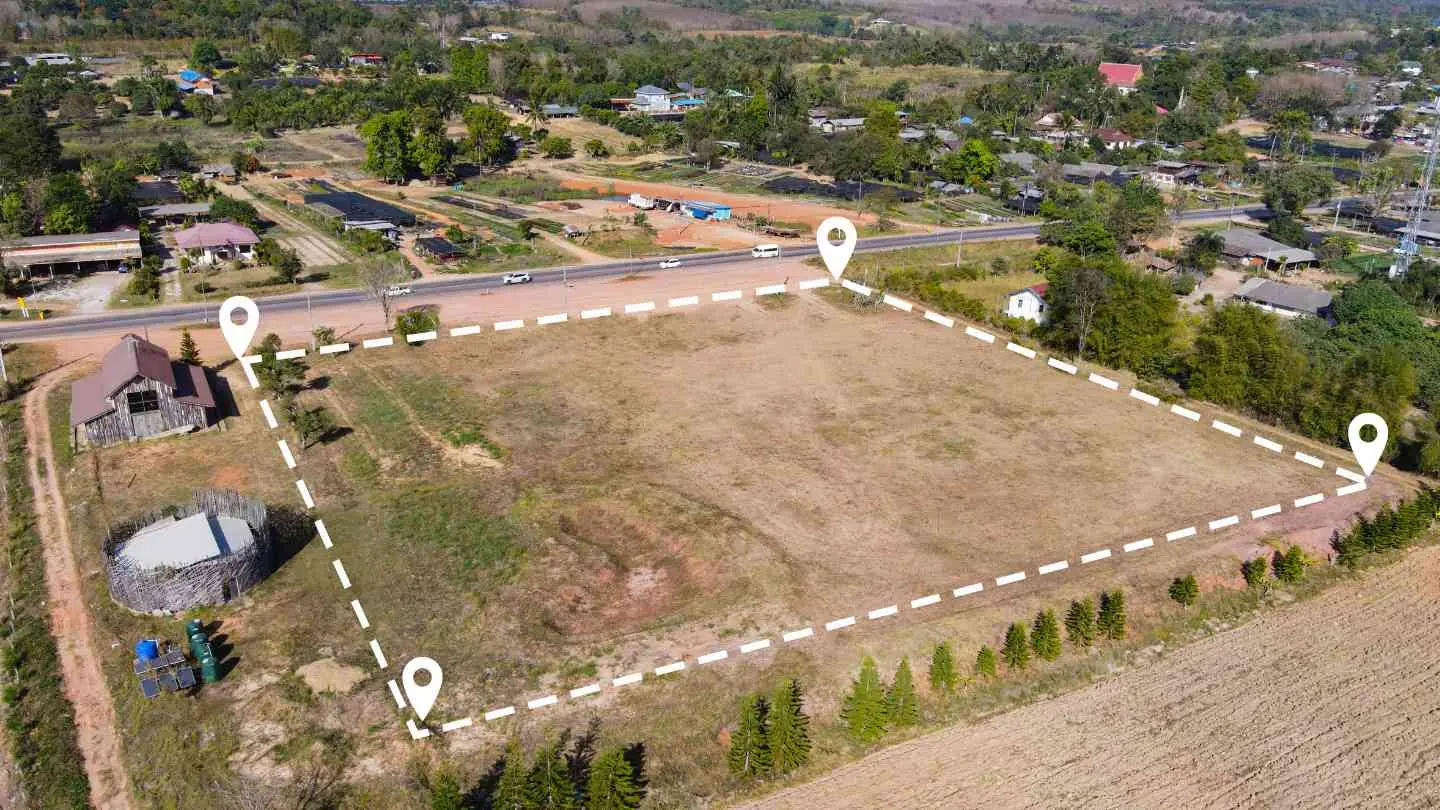
You’ve found a great block and you’re ready to build.A land survey is the first practical step.
It gives you a clear map of boundaries, levels, and site features.
That clarity protects you from disputes, keeps your project compliant, and helps you budget with confidence.
In this article, I’ll walk you through usual costs, what affects price, common survey types, and practical tips to save.
How Much Does a Land Survey Cost?
You can expect a typical residential land survey in Australia to cost about AUD $800 to $2,500. This range covers basic boundary surveys for most suburban blocks.
More complex surveys or difficult sites will cost more, and subdivision work usually starts higher.
A survey is an upfront cost that protects you from disputes and avoids costly rework laterPrices vary with survey type, site complexity, and location, so always get a clear written quote.
Type of survey affects price significantly.Property size, terrain, and access increase field time and cost.Council requirements and specialised deliverables can add fees.
Cost Breakdown Summery: Common Surveying Options Example: NSW
| Type of Survey | Typical Cost Range (AUD) |
|---|---|
| Topographic / Feature & Level (Detail / Contour) Survey | $800 - $4,000 |
| Boundary / Identification Survey | $500 - $1,500 |
| Construction Setout / As-Constructed (WAE) Survey | $650 - $2,000 |
| Subdivision Survey (per project) | $3,000 - $7,000+ |
| Engineering Survey | $1,000 - $6,000 |
| Flood Risk Assessment / Site Flood Study | $2,500 - $6,500 |
| Strata / Stratum Surveys | $2,000 - $8,000+ |
| Height Certificate / Level Check | $300 - $1,200 |
Please note these figures are approximate and will vary depending on property size, terrain, accessibility, required deliverables, and surveyor experience. Prices can also change over time with market demand and regional differences.
Factors Influencing Land Survey Costs
Several key factors influence the final price you'll see on a land survey quote. Understanding these drivers can help you budget more effectively and appreciate the value you're receiving.
- Type of Survey: Different surveys serve distinct purposes and have varying levels of complexity. A simple boundary identification survey will cost less than a detailed topographic survey or a complex subdivision survey.
- Property Size and Complexity: A sprawling rural property will naturally cost more to survey than a compact suburban block. The sheer amount of land to cover directly impacts the time and resources needed.
- Site Accessibility and Terrain: Difficult terrain, dense vegetation, steep inclines, or remote locations can significantly increase the time and effort required for surveyors to accurately measure the land, thus increasing the cost.
- Existing Structures and Features: Mapping numerous fences, buildings, significant trees, driveways, or underground services adds detail and time to the survey process.
- Surveying Technology Used: While advanced tech like drones and LiDAR can improve efficiency for certain tasks, they might be part of a higher quote for specific needs where their capabilities are essential.
- Local Regulations and Permitting: Council requirements, plan lodgement fees, and the need for specific report formats can add to the overall expense of the survey process.
- Surveyor's Expertise and Reputation: Highly experienced surveyors with specialised skills may charge more, reflecting their accuracy, reliability, and ability to navigate complex situations.
- Urgency and Turnaround Time: Needing a survey done quickly often incurs rush fees, as it requires prioritisation and potential rescheduling of other work.
Land Survey Cost Breakdown by Service Type
Understanding the specific type of survey you need is key to understanding its associated cost. Here’s a look at some common services and their typical price points.
- Boundary / Identification Survey Cost: These surveys are crucial for confirming property lines. For standard residential blocks, expect costs to be in the range of AUD $800 to $2,500. This often covers the "cost of land survey for fence" as well.
- Feature and Level / Contour Survey Cost: These surveys map the land's shape and existing features. They are vital for building design and can range from AUD $1,500 to $4,500 for typical residential properties, depending on complexity.
- Topographic Survey Cost: Similar to feature and contour surveys but often more detailed, these can range from AUD $1,800 to $10,500, especially for larger or more complex sites.
- Subdivision or Title Consolidation Survey Cost: Dividing land into new lots is a complex process. Costs typically start from AUD $3,500 and can increase significantly depending on the number of lots and the intricacy of the subdivision plan.
- Construction Setout and As-Constructed (WAE) Survey Cost: Essential for guiding building work and verifying its accuracy, these surveys have variable costs depending on the project's scale and duration.
- Easement, Re-establishment, and Title Investigation Cost: These specialised surveys focus on specific legal aspects of the title and can vary widely.
- Strata / Stratum Survey Cost: For complex developments involving multiple units or levels, these surveys are highly specialised and will incur higher costs.
- Height Certificate and Level Check Cost: These are often simpler tasks and will generally be at the lower end of the cost spectrum for surveying services.
Land Survey Cost by State and City
"Land survey cost Australia" can differ significantly depending on where your property is located. Factors like local demand, cost of living, and regional regulations play a big role.
- New South Wales Costs (Sydney, Newcastle, Central Coast): Expect competitive pricing in major hubs like Sydney, with potentially slightly lower costs in regional centres like Newcastle or the Central Coast.
- Queensland Costs (Brisbane, Gold Coast, Sunshine Coast): Similar to NSW, demand in areas like Brisbane and the Gold Coast can influence rates, while surrounding regions might offer different pricing structures.
- Victoria Costs (Melbourne, Geelong, Ballarat): Melbourne's property market often sees higher demand for surveys, potentially impacting costs, with Geelong and Ballarat offering different market dynamics.
- Western Australia Costs (Perth and Surrounds): Perth's development activity will influence survey prices, with regional WA potentially having different cost structures due to accessibility.
- South Australia Costs (Adelaide and Regions): Adelaide and its surrounding areas will have their own price variations based on market demand and project types.
- Tasmania, ACT, and Northern Territory Costs: These regions may have unique market conditions and pricing influenced by population density and development activity.
Land surveyors cost in Western Sydney what to expect.
In Western Sydney you’ll see similar national price ranges, but site access, lot size, and new estate settings often change the cost slightly; expect a typical residential boundary or identification survey in Western Sydney to fall between AUD $900 and $2,800 depending on lot size and council requirements.
What Drives Land Survey Cost?
Beyond the type of service, several intrinsic property and logistical factors drive the final survey cost.
- Property Size, Shape, and Complexity: Larger, irregularly shaped blocks, or those with challenging topographical features, naturally require more time and precision.
- Access, Terrain, and Vegetation: Overgrown sites, steep slopes, or areas with limited physical access can make the surveyor's job more time-consuming and difficult.
- Existing Survey Data and Title Quality: If previous surveys are available and reliable, it can sometimes streamline the process. However, poor quality or missing title information can add research time.
- Easements, Services, and Potential Encroachments: Identifying and mapping legal easements, underground services, or noting potential boundary encroachments adds complexity and time to the fieldwork.
- Required Deliverables (Plans, CAD/DWG, BIM/Point Cloud, Certificates): The format and detail of the final output matter. A simple report differs greatly from a detailed CAD drawing or a complex BIM model.
- Technology Used (GNSS, Total Station, LiDAR, Drones): The specific technology employed will depend on the project's needs and can influence the quote, balancing efficiency with accuracy.
- Regulatory Requirements, Lodgement, and Plan Sealing Fees: Meeting specific council or government requirements, including lodgement and plan sealing, involves additional administrative costs.
- Urgency, Lead Times, and Site Availability: If you need a survey completed on short notice or require access during specific, limited times, this can impact the price.
What’s Included in a Professional Survey Quote?
A professional survey quote should provide clarity on what you're paying for. It’s essential to understand both the inclusions and potential exclusions to avoid surprises.
- Typical Inclusions and Deliverables: This usually covers the fieldwork on-site, all necessary calculations and analysis, the drafting of plans, and the final deliverable documents such as survey plans or reports.
- Common Exclusions and Extra Charges to Watch: Be aware of potential costs not always in the base quote, such as council lodgement fees, specific permit applications, rush service fees, or extensive revisions requested after the initial scope is agreed upon.
- How to Compare Survey Quotes Fairly: When comparing quotes, don't just look at the bottom line. Ensure each quote details the scope of work, the specific deliverables, and any potential extra charges. A cheaper quote might be missing crucial elements.
Step-by-Step: The Land Survey Process and Timeline
Understanding the typical process can demystify the service and help you anticipate timelines.
- Discovery Call and Scope Confirmation: You'll discuss your project needs with the surveyor to define the exact scope of work required.
- Desktop Research and Calculations: The surveyor will research property titles, historical data, and relevant regulations.
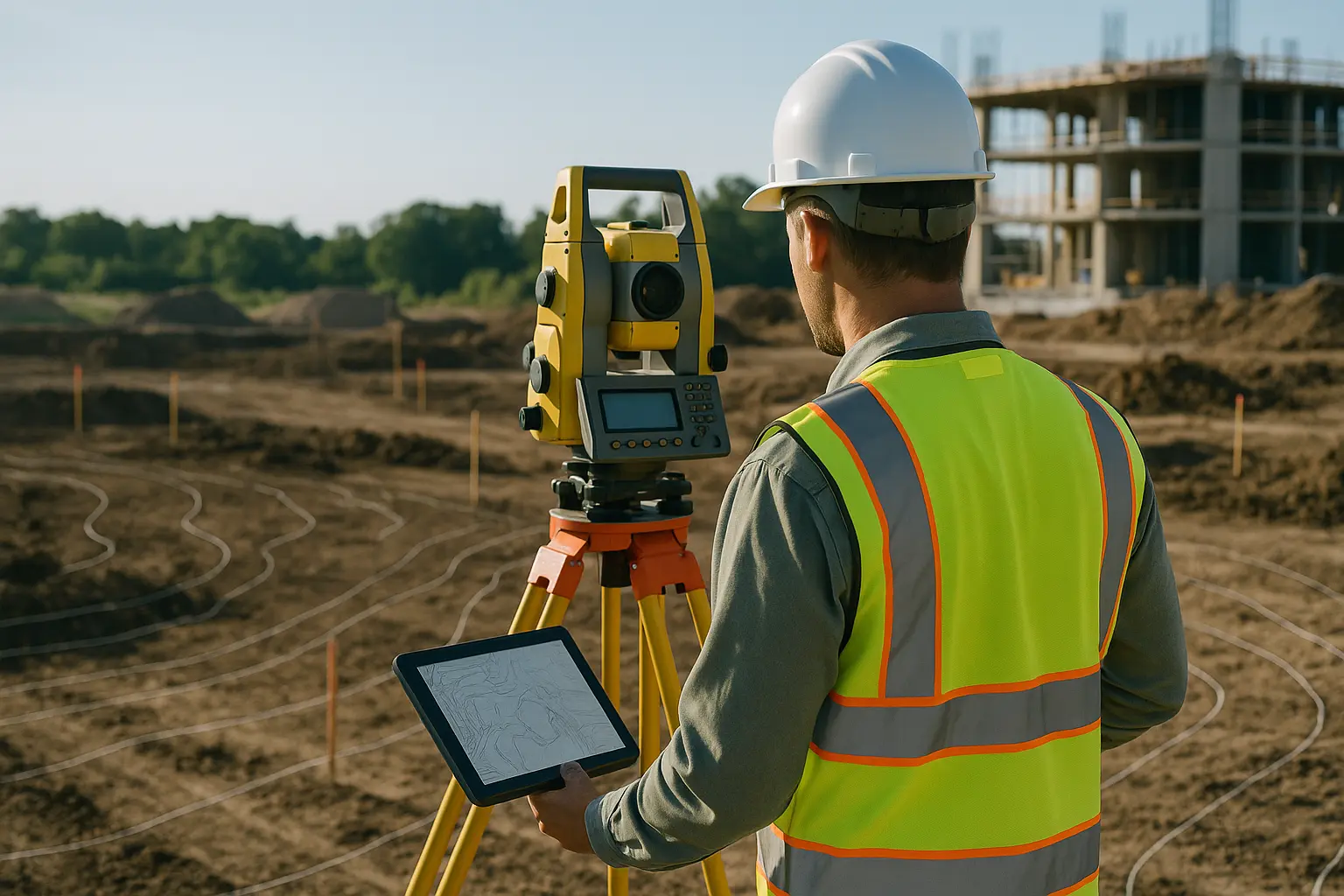
- Fieldwork: On-Site Survey: The team visits your property to take measurements and gather data.
- Processing, Drafting, and Quality Assurance: The collected data is analysed, plans are drafted, and a quality check is performed.
- Deliverables, Lodgement, and Plan Sealing: Final documents are provided to you, and if required, lodged with relevant authorities.
Cost-Saving Tips Without Cutting Quality
Saving money on a land survey is possible without compromising the accuracy and reliability you need.
- Plan Ahead, Share Existing Information, and Prepare the Site: Booking in advance can help avoid rush fees. Providing any existing survey plans or information can save research time, and ensuring clear site access speeds up fieldwork.
- Bundle Services and Reduce Re-Visits: If you require multiple types of surveys, discuss bundling them with one provider to potentially get a better overall rate and avoid multiple site visits.
- Coordinate with Neighbours on Boundary/Fence Surveys: If your survey relates to a shared boundary or fence line, discussing the project with your neighbour might allow for shared surveying costs.
- Choose the Right Survey Type for Your Objective: Ensure you're getting the exact survey needed for your project. Don't pay for extensive detail if a simpler survey will suffice, but also don't under-specify and risk costly rework.
- Avoid Scope Creep with a Clear Brief: Clearly define your requirements upfront. Changes or additions to the scope after the work has begun can lead to additional costs.
How to Choose the Right Surveyor: Balancing Price, Accuracy, and Risk
When selecting a surveyor, price is only one factor. Balancing cost with accuracy and risk management is paramount.
- Licensing, Insurance, and Compliance: Ensure the surveyor is fully licensed and insured for your peace of mind and legal protection.
- Experience, Local Knowledge, and References: Look for surveyors with proven experience in your area and for the type of survey you need. Check references and reviews.
- Technology Stack and QA Processes: Inquire about the technology they use and their quality assurance procedures to ensure accuracy.
- Transparent Pricing and Clear Communication: A good surveyor will provide clear, detailed quotes and communicate openly throughout the process
FAQs: Land Survey Cost in Australia
How much does a land survey cost?
Typical costs for residential surveys range from AUD $800 to $2,500, but this varies by survey type and property.How much does a residential land survey cost?
For standard residential properties, expect to pay between AUD $800 and $2,500, depending on complexity.What is the average cost of a land survey?
The average cost for a basic residential survey can fall around AUD $1,500–$2,000, but complex projects will be higher.How much does it cost to get your land surveyed for a fence?
This usually falls under a boundary survey, with costs typically between AUD $800 and $2,500.What is the cost of getting land surveyed for a subdivision?
Subdivision surveys are more complex and typically start from AUD $3,500, increasing with the number of lots.Can I reuse an old survey to reduce my cost?
You might be able to use an old survey if it's recent, relevant, and still legally accepted. However, for building or development, an updated survey is often required.Why is my quote higher than my neighbour’s?
Differences in property size, terrain, accessibility, required detail, or the specific type of survey needed can lead to quote variations.Do drones and 3D scanning lower land survey cost?
They can improve efficiency and reduce on-site time in many scenarios, potentially lowering labour costs, but the overall saving depends on the project's specific needs and deliverables.How long does a survey take and when is it valid?
Fieldwork can take a day or more, with processing adding several days. Surveys don't expire but may need updating if significant changes occur on or near the property.How much does a land survey cost in Western Sydney?
A typical residential boundary or identification survey in Western Sydney usually ranges from AUD $900 to $2,800 depending on block size, vegetation, and council requirements.What factors make Western Sydney surveys more expensive?
Common cost drivers in Western Sydney are new estate lot layouts, flood-prone areas, limited access in infill suburbs, and additional council lodgement fees.Get a Fixed, Transparent Quote from East West Surveyors
Understanding land survey costs is crucial for project success and budget control. Don't let cost be a mystery; get a clear, transparent quote from experienced professionals today.
- What We Need to Quote Accurately: To provide the most precise quote, we'll need your property address, confirmation of the survey type required, and details about any specific project goals or concerns.
- Contact Details and Next Steps: Reach out to our team for a detailed discussion and a tailored quote. Investing in a clear understanding of land survey costs is investing in the smooth execution and success of your project.